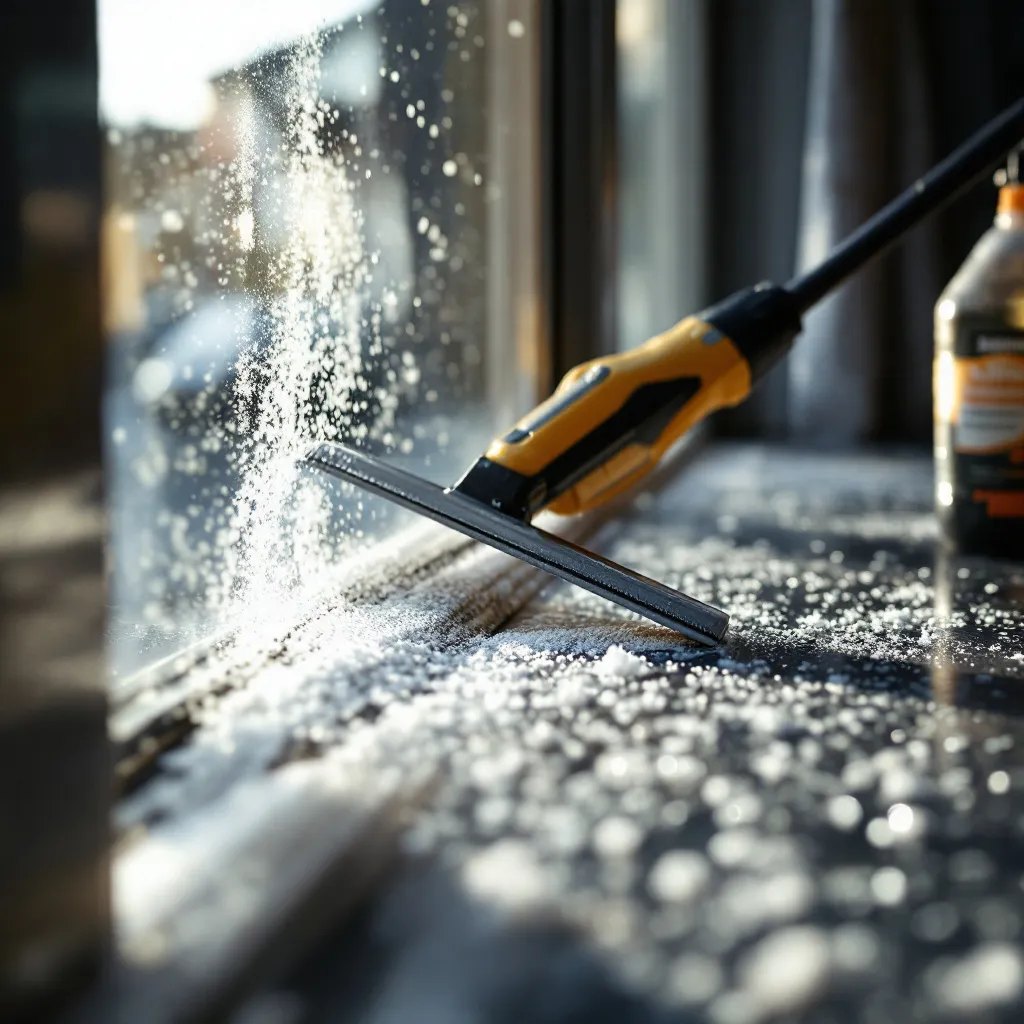
Hard water stains on windows appear as cloudy white or gray spots that resist ordinary cleaning methods, frustrating homeowners throughout Fort Wayne. These mineral deposits form when water containing high concentrations of calcium and magnesium evaporates on glass surfaces, leaving behind a chalky residue. Fort Wayne's municipal water supply, drawn from underground aquifers in the region, carries moderate to high mineral content that contributes to this persistent problem. While standard window washing removes dirt and grime, hard water stains require specific techniques and solutions to dissolve the bonded minerals. Professional window cleaning services understand the chemistry involved and can restore clarity to affected glass, though homeowners can also tackle mild cases with the right approach and products.
Fort Wayne's groundwater naturally contains dissolved minerals from the limestone and dolomite bedrock formations beneath northeast Indiana. When sprinkler systems spray lawn areas near homes, when rain splashes off roofs and gutters, or when condensation forms on exterior glass, this mineral-rich water contacts window surfaces. As the water evaporates under the sun's heat, it leaves behind concentrated mineral deposits that bond to the glass at a molecular level. The process repeats with each exposure, gradually building layers of scale that become increasingly difficult to remove through conventional methods.
Homes with automated irrigation systems face particular challenges because sprinkler heads often mist windows repeatedly throughout the growing season. Properties near busy streets may also experience accelerated buildup, as road spray combines minerals with other contaminants. The orientation of windows matters as well, with south and west-facing glass receiving more direct sunlight that speeds evaporation and intensifies deposit formation. Even homes using municipal water for exterior cleaning inadvertently introduce minerals to window surfaces, creating a cycle that requires specialized attention to break.
Seasonal patterns in Fort Wayne compound the issue, particularly during summer months when sprinklers run frequently and thunderstorms leave mineral-laden droplets on glass. Winter presents different challenges as melting snow from roofs drips onto windows below, and spring rains wash accumulated minerals from siding and trim onto adjacent glass surfaces. Understanding these local conditions helps homeowners recognize why their windows develop stubborn spots that ordinary soap and water cannot address effectively.
Glass itself remains undamaged by hard water minerals in most cases, meaning the stains sit on the surface rather than etching into the material. This distinction matters because surface deposits can be dissolved and removed when treated with appropriate acidic solutions that break down calcium and magnesium compounds. White vinegar serves as a mild acid that handles light to moderate staining effectively, while commercial cleaners containing phosphoric or hydrochloric acid tackle heavier buildup. The key lies in allowing sufficient contact time for the chemical reaction to occur, dissolving the mineral bonds before wiping the surface clean with a squeegee or microfiber cloth.
Severely neglected windows may develop what appears to be permanent etching, though this often represents extremely dense mineral layering rather than actual glass damage. Professional window cleaning services employ stronger solutions and specialized techniques for these challenging situations, sometimes using fine abrasive compounds applied with specific tools to mechanically remove stubborn deposits without scratching the glass. The process requires expertise to avoid damage, as improper technique or excessive pressure can indeed scratch window surfaces permanently.
Once removed, hard water stains need not return if preventive measures are implemented. The notion of permanence applies more accurately to prevention than removal. Regular maintenance cleaning prevents minerals from accumulating to problematic levels, while protective treatments create barriers that cause water to bead and roll off rather than evaporating in place. Homeowners who address the root causes, such as redirecting sprinklers away from windows or installing water softening systems, can eliminate the conditions that create staining in the first place.
Hydrophobic coatings represent the most effective preventive treatment, creating an invisible barrier that causes water to form tight beads that slide off glass rather than spreading and evaporating. These products contain compounds that bond to clean glass at the molecular level, altering the surface tension properties. Application requires thoroughly cleaned windows free of any existing mineral deposits, as the coating will seal in whatever remains on the glass. Quality treatments can last six months to two years depending on exposure conditions and the specific product used, with reapplication needed periodically to maintain protection.
Regular cleaning schedules prevent minerals from accumulating to visible levels, making maintenance far easier than remediation. Washing windows every four to six weeks during seasons when sprinklers operate keeps deposits from bonding firmly to glass surfaces. Using purified water for the final rinse during cleaning eliminates the minerals that would otherwise dry on windows, which explains why professional window cleaning companies often employ water purification systems in their equipment. Deionized water leaves no residue because it contains no dissolved solids to deposit as it evaporates.
Physical prevention strategies address the problem at its source rather than treating symptoms. Adjusting sprinkler heads to avoid spraying windows directly eliminates the primary cause for many Fort Wayne homes. Installing or repairing gutters and downspouts prevents roof runoff from sheeting across window glass. Some homeowners install awnings or overhangs above particularly vulnerable windows to shield them from both sprinkler mist and rain splash. These architectural solutions require upfront investment but provide long-term protection without ongoing chemical treatments or intensive cleaning.
White vinegar stands as the most accessible and environmentally friendly option for treating hard water stains on windows. The acetic acid it contains reacts with calcium and magnesium deposits, breaking down the mineral bonds. For best results, spray undiluted vinegar generously on affected areas and allow it to sit for five to ten minutes before scrubbing with a non-abrasive pad or brush. Stubborn spots may require repeated applications or extended contact time. After the minerals dissolve, wash the window with clean water and dry with a squeegee to prevent new deposits from forming as the cleaning solution evaporates.
Commercial cleaners formulated specifically for hard water removal contain stronger acids that work faster on heavy buildup. Products featuring phosphoric acid or citric acid derivatives dissolve minerals efficiently while remaining safer than industrial-strength hydrochloric acid solutions. Always follow manufacturer instructions regarding dilution ratios and contact time, and wear gloves to protect skin from prolonged acid exposure. These cleaners work particularly well on ground-floor windows where homeowners can safely apply and rinse products without working from a ladder.
For extremely stubborn deposits that resist liquid treatments, a paste made from baking soda and water provides gentle abrasive action. Apply the paste to dampened glass and scrub in circular motions using a soft cloth, allowing the fine particles to mechanically lift mineral deposits without scratching the surface. This method requires more physical effort than chemical treatments but offers a non-toxic alternative. Some homeowners combine approaches, first applying vinegar to soften deposits chemically, then following with baking soda paste to remove any remaining residue. Thorough rinsing with clean water remains essential regardless of which products are used.
Windows on second stories or higher present safety concerns that make professional service the sensible choice. Working from a ladder while handling cleaning solutions and tools creates fall risks that outweigh any cost savings from doing it yourself. Professional window cleaning companies maintain proper insurance, use appropriate safety equipment, and train their staff in techniques that protect both the worker and the property. They also bring commercial-grade products and tools specifically designed for challenging mineral deposits, achieving results that household products cannot match.
Extensive staining across multiple windows throughout a home represents a time investment that many homeowners prefer to delegate. What might take an inexperienced person an entire weekend, professionals complete in a few hours thanks to efficient methods and specialized equipment. The cost of professional service often proves reasonable when compared to the value of personal time spent struggling with stubborn stains. Businesses facing hard water issues on storefront windows particularly benefit from professional attention, as clean windows directly impact customer perception and the appearance of the establishment.
Situations involving potential glass damage require professional assessment before attempting removal. If previous cleaning attempts have created scratches, or if the staining appears unusually severe, experienced window cleaners can evaluate whether the glass can be restored or needs replacement. They understand the difference between removable mineral deposits and actual etching that has compromised the glass surface. Professional services also offer maintenance programs that include regular cleaning schedules and preventive treatments, providing ongoing protection that keeps hard water stains from returning. For Fort Wayne homeowners tired of battling recurring mineral buildup, establishing a relationship with a reliable window cleaning business transforms an ongoing frustration into a managed aspect of home maintenance.
The municipal water system serving Fort Wayne draws from the Maumee Aquifer, a groundwater source that flows through mineral-rich geological formations. Water quality reports from the city consistently show hardness levels in the moderately hard to hard range, typically measuring between seven and twelve grains per gallon depending on the specific well source and seasonal variations. This mineral content serves important health purposes by providing calcium and magnesium in drinking water, but it creates challenges for any surface that water contacts and evaporates from, including windows throughout residential and commercial properties.
Homeowners using well water from private sources often face even higher mineral concentrations than those on city water. Wells drilled into the same aquifer system may encounter different geological layers with varying mineral content, and some properties experience hardness levels exceeding fifteen grains per gallon. These elevated concentrations accelerate hard water stain formation, requiring more frequent cleaning interventions to maintain clear windows. Testing well water provides valuable information about the specific challenges a property faces and helps determine whether whole-house water softening systems might prove cost-effective for protecting not just windows but also plumbing fixtures, appliances, and other surfaces.
Understanding local water characteristics helps homeowners set realistic expectations for window maintenance. In regions with soft water, windows might remain relatively clear between annual cleanings, but Fort Wayne's water quality demands more attention. Properties with irrigation systems should consider whether the investment in a dedicated softening system for outdoor water makes sense given the volume of water used and the number of windows potentially affected. Some homeowners find that simply being mindful of sprinkler placement and scheduling professional window cleaning twice yearly manages the issue adequately without major infrastructure changes. The best approach depends on individual circumstances, but recognizing that hard water stains represent a normal maintenance consideration rather than an unusual problem helps frame appropriate solutions.
Fort Wayne Window Cleaning LLC provides residential and commercial window cleaning in Fort Wayne, Indiana, and nearby communities including For professional help anywhere in Fort Wayne, visit Fort Wayne Window Cleaning LLC.
☎Call (260) 255-5529 Fort Wayne Window Cleaning LLC