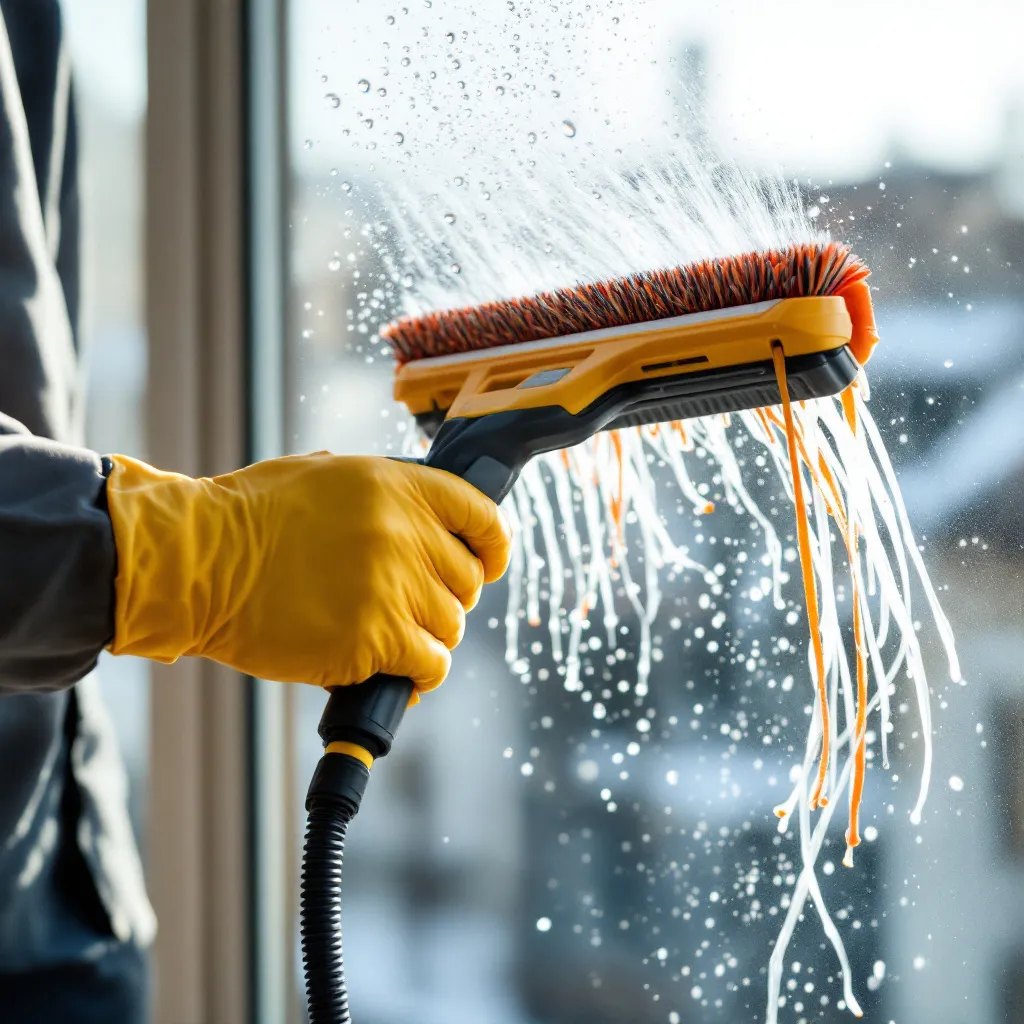
Professional window cleaning delivers exceptional clarity and streak-free results, but maintaining that pristine appearance between scheduled services requires a thoughtful approach. Fort Wayne homeowners and business owners can extend the life of their professional cleanings through simple maintenance routines that address common environmental challenges. The key lies in understanding what causes windows to accumulate dirt and grime, then implementing preventive measures alongside strategic touch-ups. Rather than attempting a full cleaning that might leave streaks or residue, focus on targeted maintenance that preserves the work your professional window cleaner has already completed. With the right techniques and minimal effort, you can keep your windows looking sharp for weeks or even months after your service appointment.
The most effective touch-up method involves addressing specific problem areas rather than washing entire window surfaces. Start by identifying spots, bird droppings, or isolated smudges that stand out against otherwise clean glass. Use a microfiber cloth slightly dampened with plain water to gently wipe these trouble spots, working in small circular motions. For stubborn marks, a solution of equal parts white vinegar and distilled water provides gentle cleaning power without harsh chemicals that might leave residue. The goal is to blend the touched-up area seamlessly with the surrounding clean glass, not to rewash sections your professional service already perfected.
Timing matters significantly when performing touch-ups between professional visits. Early morning or late afternoon provides ideal conditions because direct sunlight causes cleaning solutions to dry too quickly, leaving visible streaks. Fort Wayne's variable weather patterns mean you should also avoid touch-ups immediately before rain, which will simply undo your efforts. Keep a dedicated microfiber cloth for windows separate from general cleaning cloths to prevent transferring oils or residues. When working on exterior windows, a simple squeegee technique on small sections can match the professional finish, but only if you maintain consistent pressure and overlap each stroke slightly to avoid leaving lines.
The tools you choose for maintenance make a substantial difference in results. Professional window cleaners rely on specific equipment for good reason, but homeowners can achieve satisfactory touch-ups with quality microfiber cloths, a small squeegee, and pure water. Avoid paper towels, which leave lint and fibers on glass surfaces. Similarly, skip ammonia-based household cleaners that create buildup over time. If you notice water spots from sprinklers or rain, address them promptly before minerals bond to the glass. A dedicated window cleaning brush with soft bristles helps remove pollen or dust from screens and frames without scratching, preserving the overall clean appearance your professional service established.
Environmental factors unique to Fort Wayne contribute significantly to how quickly windows accumulate dirt after professional cleaning. The city's position in northeastern Indiana means windows face exposure to agricultural dust, pollen from surrounding farmland, and industrial particulates carried by prevailing winds. Understanding these local conditions helps you implement targeted prevention strategies. Trim trees and shrubs at least three feet away from windows to reduce organic debris, sap, and the insects that feed on vegetation. During spring and fall, when pollen counts peak, consider running sprinklers away from windows or adjusting their direction to minimize water spots that attract and hold airborne particles.
Interior habits play an equally important role in maintaining clean windows between professional services. Cooking generates grease particles that travel through air currents and settle on glass surfaces, particularly in kitchens and adjacent rooms. Running exhaust fans during and after cooking reduces this airborne contamination significantly. Similarly, tobacco smoke, candles, and wood-burning fireplaces create films that dull window clarity over time. Pet owners should pay attention to nose prints and paw marks on lower window sections, addressing these immediately with a damp microfiber cloth before oils set into the glass. Simple awareness of what contacts your windows helps you intervene before minor issues become visible problems.
Seasonal maintenance routines aligned with Fort Wayne's climate patterns extend the intervals between necessary professional cleanings. Before winter arrives, ensure gutters are clear so overflow doesn't splash dirty water across windows during freeze-thaw cycles. In spring, power wash siding and window frames before your professional window cleaning appointment, so rain doesn't immediately wash dirt from these surfaces onto freshly cleaned glass. Summer storms bring their own challenges, but allowing windows to air dry naturally often produces better results than immediately wiping away rain, which can smear existing dust into streaks. The City of Fort Wayne's Community Development Division maintains resources about property maintenance standards that complement these preventive measures, helping residents understand how exterior upkeep contributes to overall building appearance.
Protective coatings represent a significant advancement in window maintenance technology, offering genuine benefits for both residential and commercial properties. These treatments work by creating a hydrophobic barrier that causes water to bead and roll off glass surfaces rather than spreading into films that attract dirt. When rain hits treated windows, it carries away dust and light debris instead of leaving mineral deposits and water spots. Professional window cleaners can apply these coatings after completing a thorough cleaning, ensuring the treatment bonds to perfectly clean glass for maximum effectiveness. The coatings typically last several months, depending on exposure and environmental conditions, making them particularly valuable for windows that face challenging weather or heavy pollen.
Not all protective treatments deliver equal results, and understanding the differences helps you make informed decisions. Nano-ceramic coatings provide the longest-lasting protection, often remaining effective for six months or more with proper application. These professional-grade treatments penetrate microscopic pores in glass, creating a durable shield against water, dirt, and even some scratches. Less expensive spray-on treatments offer temporary protection but require more frequent reapplication. For business owners managing high-rise buildings or properties with difficult-to-reach windows, investing in quality protective coatings reduces the frequency of necessary cleanings while maintaining professional appearance. The initial cost balances against reduced maintenance needs over time.
Fort Wayne's specific environmental conditions influence how well protective coatings perform and how long they last. The region's humidity, temperature fluctuations, and seasonal weather patterns all affect coating durability. Windows facing south and west experience more intense sun exposure, which can gradually degrade some treatments. Similarly, windows near busy streets accumulate more particulates that test coating effectiveness. Discussing your specific situation with your window cleaning service helps determine whether protective coatings make sense for your property. Many commercial properties find these treatments essential for maintaining clean windows on upper floors where frequent access requires specialized equipment like aerial work platforms or other safety measures that increase service costs.
Establishing simple daily habits creates cumulative benefits that preserve window clarity between professional services. Each morning, open blinds and curtains fully rather than leaving them partially closed, which concentrates dust and reduces air circulation around glass surfaces. This small action allows you to notice developing issues early, when a quick wipe resolves problems before they set. In rooms with high humidity like bathrooms and kitchens, crack windows slightly when weather permits to reduce condensation that attracts dust and promotes water spots. These minor adjustments to daily routines require no additional time but significantly impact how long windows maintain their post-cleaning appearance.
Paying attention to what happens near windows helps you intercept problems before they affect glass surfaces. Position houseplants away from windows or use saucers that completely contain water drainage, preventing mineral-rich moisture from splashing onto glass. When watering outdoor plants or washing vehicles, remain conscious of spray patterns that might reach windows. If you notice spider webs forming in corners or along frames, remove them promptly before insects and debris accumulate. These proactive measures take mere seconds but prevent the gradual degradation that makes windows look dingy despite being relatively clean. Business owners should brief employees about these practices, particularly in customer-facing areas where window appearance directly impacts professional image.
Seasonal awareness shapes effective maintenance habits throughout the year. During Fort Wayne's pollen-heavy spring months, a quick rinse with a garden hose removes surface pollen before it bonds with morning dew. In winter, avoid placing snow shoveled from walkways against foundation walls where melt water will splash windows. Summer brings insects attracted to exterior lights, so consider switching to yellow bug lights or moving fixtures away from windows to reduce the cleanup burden. Fall leaf accumulation in gutters and on roofs means staying vigilant about debris that wind and rain carry across glass surfaces. Aligning your maintenance awareness with these predictable seasonal patterns helps you stay ahead of problems rather than constantly reacting to dirty windows.
Fort Wayne's continental climate creates distinct challenges for maintaining clean windows across four pronounced seasons. Winter brings freezing temperatures that cause condensation to form on interior glass surfaces, particularly in rooms with poor insulation or high humidity. This moisture attracts dust and creates water spots that dull clarity. Running dehumidifiers and ensuring proper ventilation helps control this issue without constant wiping. Exterior windows face salt spray from road treatments and dirty slush kicked up by traffic, which dries into stubborn films. Addressing these deposits promptly prevents them from etching glass or requiring aggressive cleaning that might scratch surfaces your professional window cleaner worked carefully to protect.
Spring and summer weather patterns demand different maintenance approaches. Thunderstorms common to the region deposit pollen, dust, and organic matter across windows, but the rain itself often contains minerals that leave spots as water evaporates. Allowing windows to dry naturally usually produces better results than immediately wiping them, which tends to smear debris rather than remove it. However, if storms leave heavy dirt or tree sap, gentle rinsing with purified water prevents these substances from baking onto glass in summer heat. High temperatures make timing crucial for any touch-up work, as cleaning solutions evaporate too quickly in direct sunlight, leaving streaks that require additional effort to remove.
Understanding how weather impacts different window exposures helps you prioritize maintenance efforts efficiently. North-facing windows typically stay cleaner longer because they receive less direct sunlight and reduced exposure to prevailing winds that carry dust. South and west-facing windows accumulate dirt faster and show water spots more prominently due to intense sun and weather patterns. Windows near roof edges or under eaves collect more debris as rain washes particles from these surfaces. By recognizing these patterns specific to your property, you can focus touch-up efforts where they matter most, extending the professional appearance your window cleaning service established while avoiding unnecessary work on windows that remain relatively clean.
Recognizing the right time to schedule professional service prevents windows from declining to the point where maintenance becomes ineffective. Most residential properties benefit from professional window cleaning twice yearly, typically in spring after pollen season and in fall before winter weather arrives. Commercial properties often require more frequent service, with many businesses scheduling quarterly cleanings to maintain professional appearance. However, these general guidelines should adjust based on your specific circumstances, including property location, surrounding vegetation, and local traffic patterns that contribute to dirt accumulation. If your maintenance efforts no longer produce satisfactory results, or if you find yourself spending increasing time on touch-ups, these signs indicate professional service is due.
Certain conditions warrant immediate professional attention rather than continued maintenance attempts. Hard water staining that resists vinegar solutions requires specialized treatment and equipment that professional window cleaners possess. Similarly, oxidation on window frames, mineral deposits from sprinkler systems, or paint overspray demand professional expertise and appropriate substances to remove without damaging glass or surrounding materials. Attempting to address these issues with household products often worsens problems or creates new damage. Business owners should consider how window appearance affects customer perception and schedule professional cleaning before windows reach the point where they negatively impact business image. The investment in professional service pays dividends in maintained property value and positive impressions.
Building a relationship with a reliable window cleaning service creates consistency that benefits both maintenance efforts and long-term window condition. Regular professional cleanings establish a baseline of clarity that makes interim maintenance more effective and less time-consuming. Professional window cleaners also notice developing issues like failing seals, damaged screens, or frame deterioration that homeowners might miss. Addressing these problems early prevents costly repairs and extends window lifespan. For commercial properties, scheduled service ensures windows receive attention before important events or busy seasons when appearance matters most. Whether you manage a high-rise building requiring specialized equipment or a residential property with standard access, establishing a professional cleaning schedule supported by consistent maintenance delivers the best long-term results and value.
The City of Fort Wayne official resources provides information about property maintenance standards and community development initiatives that support overall building upkeep throughout the region.
Fort Wayne Window Cleaning LLC provides residential and commercial window cleaning in Fort Wayne, Indiana, and nearby communities including For professional help anywhere in Fort Wayne, visit window cleaning in Fort Wayne.
☎Call (260) 255-5529 Fort Wayne Window Cleaning LLC