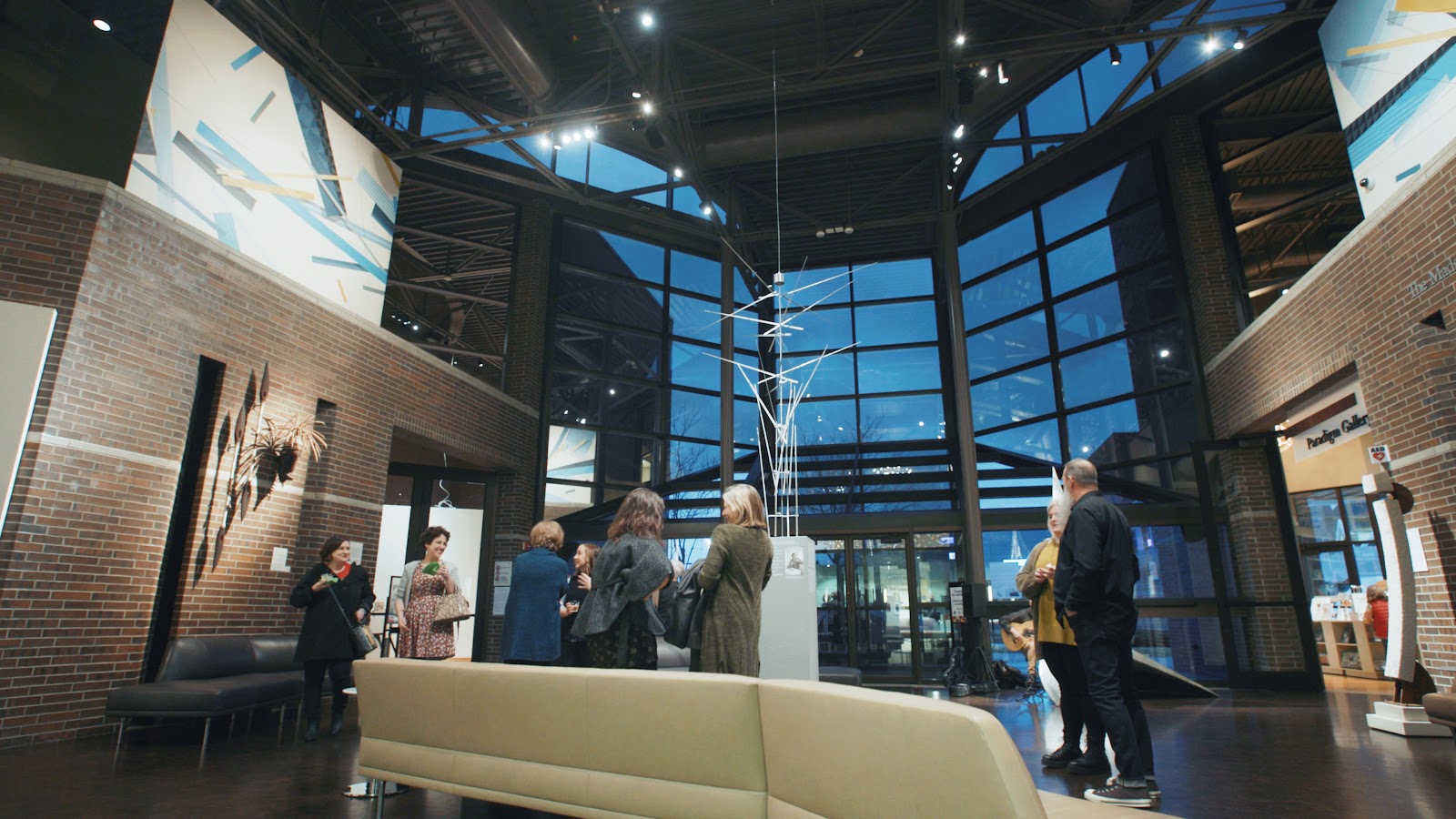
The Fort Wayne Museum of Art stands as a cultural cornerstone in northeast Indiana, offering visitors an intimate encounter with American art spanning more than a century. Located in the heart of downtown Fort Wayne, this institution has served the community since 1922, building a respected collection that emphasizes American works on paper alongside paintings, sculpture, and contemporary pieces. The museum's commitment to accessibility and education makes it a welcoming destination for art enthusiasts and curious newcomers alike, providing a contemplative space where creativity and community intersect.
Visitors enter a thoughtfully designed space where natural light filters through galleries arranged to encourage unhurried viewing. The atmosphere strikes a balance between formal presentation and approachable warmth, with exhibitions rotating regularly to showcase different aspects of the permanent collection alongside traveling shows. Gallery attendants are available to answer questions without hovering, allowing guests to explore at their own pace. The scale of the museum feels manageable rather than overwhelming, making it possible to experience the entire facility in a single visit without the fatigue that larger institutions can induce.
Interactive elements and educational materials appear throughout the galleries, offering context without cluttering the visual experience. Benches positioned strategically invite contemplation, and the acoustics maintain a hushed quality that enhances concentration. Families will find the environment respectful of quiet appreciation while still accommodating younger visitors who approach art with natural curiosity. The museum shop near the entrance features artist-made items and exhibition catalogs for those wishing to take a piece of their experience home.
The permanent collection's strength lies in its American art holdings, particularly works on paper including prints, drawings, and photographs that trace stylistic evolution from the nineteenth century forward. Paintings represent various movements and periods, offering glimpses into how American artists have interpreted landscape, portraiture, and abstraction across generations. Contemporary pieces challenge and engage, demonstrating the museum's commitment to living artists and current conversations within the art world. Sculpture appears both within galleries and in public spaces, adding dimensional variety to the viewing experience.
Special exhibitions bring fresh perspectives several times annually, sometimes focusing on single artists and other times exploring thematic connections across media and eras. These temporary shows often feature loans from other institutions or private collections, exposing visitors to works they might otherwise travel considerable distances to see. The curatorial approach favors thoughtful interpretation over encyclopedic breadth, creating exhibitions that tell coherent stories rather than simply displaying objects. Educational programming tied to exhibitions deepens understanding through lectures, workshops, and gallery talks led by knowledgeable guides.
Weekday mornings typically offer the quietest experience, allowing contemplative viewing without navigating around large groups. Weekend afternoons see more families and casual visitors, creating a livelier atmosphere that some find energizing. Special events and exhibition openings draw crowds but also provide opportunities to engage with artists, curators, and fellow art enthusiasts in a social setting. Admission policies make visiting accessible, with certain days or times offering reduced or waived fees for community members. Allocate at least ninety minutes for a thorough walk through current exhibitions, though dedicated art lovers may easily spend half a day exploring details and returning to favorite pieces.
The museum occasionally closes between exhibitions for installation work, so checking the schedule before visiting prevents disappointment. Guided tours can be arranged for groups seeking deeper insight, while self-guided visitors benefit from printed materials and occasional docent presence in galleries. Photography policies vary by exhibition, with some shows permitting personal photography without flash while others restrict image-making to protect artist rights or preserve delicate works. Comfortable walking shoes serve visitors well, as standing and slow movement characterize the museum experience.
Situated in downtown Fort Wayne, the museum occupies a location easily reached by various transportation methods. Street parking surrounds the building, with metered spaces available along adjacent blocks. Several parking garages within walking distance offer alternatives during busy periods or inclement weather. Public transportation routes serve the downtown area, depositing riders within a short stroll of the entrance. The building meets accessibility standards, with elevator access to all gallery levels and accommodations for visitors with mobility considerations. Clear signage guides arrivals from parking areas to the main entrance.
The surrounding neighborhood offers dining options for those planning extended downtown visits, from casual cafes to more formal restaurants within a few blocks. Cultural district designation means other attractions cluster nearby, allowing visitors to combine museum time with theater performances, historical sites, or riverfront walks. The compact downtown layout makes exploring on foot practical during temperate months, while winter visitors appreciate the proximity of indoor destinations. Arriving fifteen minutes before desired entry allows time for parking, orientation, and checking coats or bags if needed.
Fort Wayne Window Cleaning LLC provides professional window cleaning across Fort Wayne. If a tree near you needs attention, visit window cleaning in Fort Wayne for an assessment.
☎Call (260) 255-5529 Fort Wayne Window Cleaning LLC